Steps to Become a Certified Swim Teacher

Swimming is more than a skill - it’s a life-saving ability and a rewarding profession. If you have access to a pool in your condo or private property and want to share your passion, becoming a certified swim teacher is the way forward. Certification ensures you teach safely, effectively, and confidently. It also opens doors to professional opportunities across Singapore and Malaysia.
In this guide, I’ll walk you through the essential steps to become a certified swim instructor. You’ll learn what qualifications you need, how to get certified, and why certification matters. Let’s dive in.
Understanding the Role of a Certified Swim Teacher
A certified swim teacher does more than just show strokes. You guide learners of all ages - kids, teens, and adults - through structured lessons that build skills progressively. You ensure safety, provide motivation, and track measurable progress.
Certification equips you with:
Knowledge of swimming techniques and water safety
Skills to handle emergencies and perform CPR
Teaching methods tailored to different age groups and abilities
Confidence to manage private lessons in condos or community pools
Being a certified swim teacher means you meet professional standards recognized across Singapore and Malaysia. This credibility helps you attract clients who value safety and quality instruction.

How to Become a Certified Swim Teacher
The path to certification involves several clear steps. Here’s what you need to do:
Meet Basic Requirements
You must be at least 16 years old and have a good level of swimming ability. Some courses require you to swim specific strokes and distances confidently.
Choose a Certification Program
Look for accredited swim instructor courses offered by reputable organizations. These programs combine theory, practical skills, and teaching practice.
Complete First Aid and CPR Training
Safety is paramount. Most certification courses include or require separate first aid and CPR certification.
Attend the Swim Instructor Course
The course covers swimming techniques, lesson planning, water safety, and teaching methods. You’ll practice teaching real students under supervision.
Pass the Assessments
You must demonstrate swimming proficiency, teaching ability, and safety knowledge through written and practical exams.
Register as a Certified Swim Instructor
After passing, you receive your certification. You can now teach swimming lessons professionally.
Maintain Your Certification
Certifications often require renewal every 2-3 years with refresher courses or proof of continued teaching.
Following these steps ensures you are fully prepared to teach swimming safely and effectively.
Do Swim Instructors Have to Be Certified?
Certification is not always legally mandatory, but it is highly recommended and often required by reputable swim schools and private properties. Here’s why:
Safety: Certified instructors know how to prevent accidents and respond to emergencies.
Quality: Certification guarantees you have the skills and knowledge to teach properly.
Trust: Parents and learners prefer certified teachers for peace of mind.
Professionalism: Certification sets you apart in a competitive market.
In Singapore and Malaysia, many condo managements and private pool operators require swim instructors to hold valid certifications before allowing lessons on-site. This protects residents and ensures a safe environment.
Certification also helps you comply with local regulations and insurance requirements. It’s a smart investment in your career and your clients’ safety.

Tips for Teaching Swimming in Condo and Private Pools
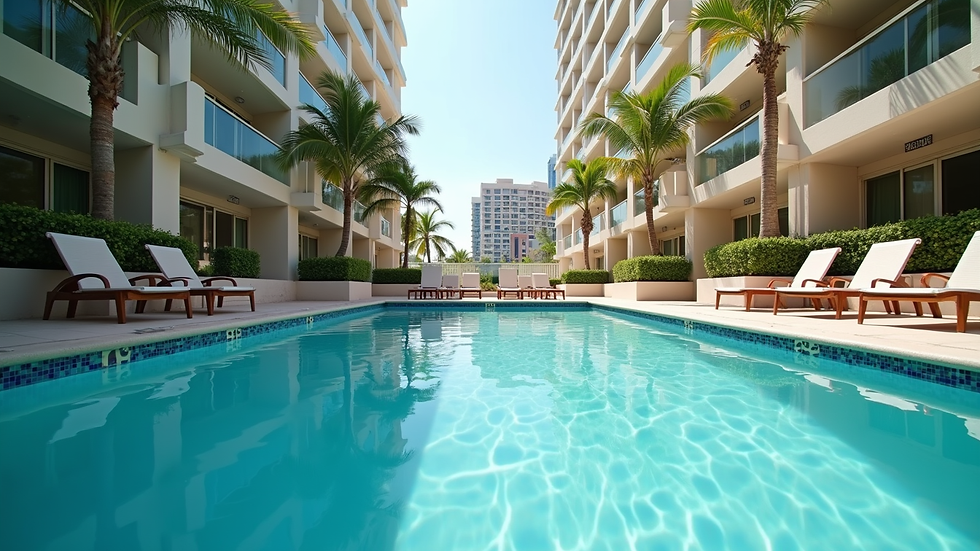
Teaching in condo or private pools comes with unique advantages and challenges. Here are some practical tips:
Know the Pool Rules
Each property has specific regulations about pool use, hours, and safety. Familiarize yourself and communicate these to your students.
Adapt to Pool Size and Depth
Smaller pools may limit certain drills. Plan lessons that maximize space and ensure safety.
Use Portable Teaching Aids
Kickboards, noodles, and flotation devices help beginners gain confidence.
Schedule Convenient Lesson Times
Residents appreciate flexible timings that fit their lifestyle.
Track Progress Clearly
Use simple charts or apps to show measurable improvement. This motivates learners and reassures parents.
Maintain Hygiene and Safety
Follow pool hygiene rules and keep rescue equipment nearby.
By tailoring your approach to condo and private pools, you provide a safe, convenient, and effective learning experience.
Continuing Your Swim Teaching Journey
Certification is just the beginning. To excel as a swim teacher, commit to ongoing learning and professional growth:
Attend workshops and advanced courses to refine your skills.
Stay updated on the latest swim teaching techniques and safety protocols.
Network with other instructors and join professional associations.
Seek feedback from students and parents to improve your lessons.
Consider specializing in areas like infant swimming, competitive training, or aqua therapy.
By investing in yourself, you build a rewarding career that makes a real difference in your community.
If you want to become a certified swim instructor, start by researching accredited courses near you. Certification opens doors to teaching opportunities in condos and private properties across Singapore and Malaysia. It’s your first step toward a fulfilling and impactful profession.
Swimming is a vital skill and a fulfilling career path. With the right certification and approach, you can confidently teach others to swim safely and effectively. Take the steps today to become a certified swim teacher and make waves in your community.


Comments